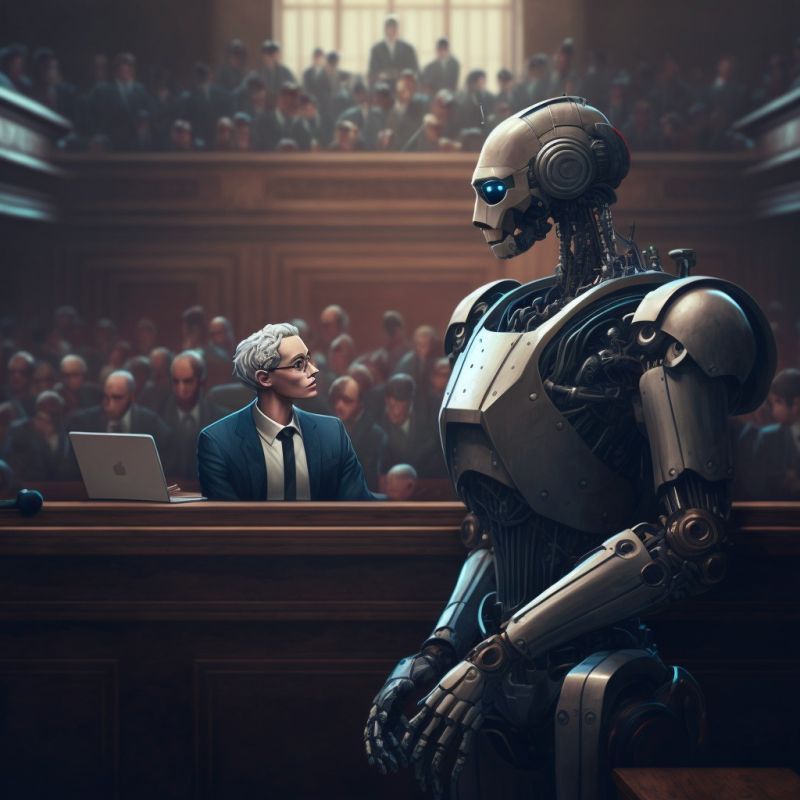
If you’ve been fantasizing about the day when artificial intelligence could get you out of paying traffic tickets or other legal creases, you’ll just have to keep dreaming. DoNotPay has backed out of its plans to use an AI-powered “robot lawyer” to council a defendant through a courtroom hearing in real time.
The reason why? Well, apparently the law got in the way of the robot’s lawyering.
The company’s founder and CEO, Joshua Browder, first announced the news in a Wednesday tweet. He wrote:
“After receiving threats from State Bar prosecutors, it seems likely they will put me in jail for 6 months if I follow through with bringing a robot lawyer into a physical courtroom,”
In a phone call with Gizmodo, Browder reiterated his view that, were he to follow-through on his initial promises, he’d likely end up with a prison sentence.
DoNotPay initially announced that it had developed an AI-legal advice tool, using OpenAI’s ChatGPT technology, and was planning to surreptitiously test the tool in a real, live court case, earlier this month. But then, the backlash from lawyers and Bar associations began.
DoNotPay didn’t publicly reveal the state where the test traffic violation case was set to be heard. However, the CEO explained that enough Bar associations contacted the company and threatened charges, that the risk of retaliation became too great. In fact, the bevy of angry lawyers’ associations inadvertently included the state where Browder we planning to bring his AI creation to court.
“They were threatening to charge us with unauthorized practice of law,” Browder said. He further speculated that other charges like interfering with judicial practice could’ve been on the docket. Through extensive discussions with his company’s actual, human legal advisors, Browder said it became clear that “according to my counsel, I could go to jail for six months for helping one person with a speeding ticket.” Unauthorized practice of law charges carry widely varying prison sentences from state to state, but range up to two years for first time offenders, according to a 2011 analysis.
In a previous conversation with Gizmodo, Browder touted lofty goals like expanding “access to justice” for people who couldn’t otherwise afford legal assistance.
On top of abandoning its plans for AI-assisting an in-person court case, DoNotPay will also not move forward with a similar virtual case, which had been set to happen via Zoom trial.
Further, the company has removed all of its legal advice templates and document generators from its website.